

How International Schools in Mumbai Support Language Development
Language development plays a vital role in a child’s academic success, social confidence, and future opportunities. In today’s interconnected world, strong communication skills are more important than ever. Schools that focus on language learning help students become effective communicators, critical thinkers, and confident global citizens. This is one of the many reasons why parents increasingly choose International schools in Mumbai for their children’s education.
International schools create learning environments where language development is integrated into everyday experiences. Students are encouraged to communicate clearly, express their ideas confidently, and engage in meaningful discussions. Through structured programs and interactive teaching methods, these schools help children build strong language foundations from an early age.
One of the key advantages of international education is its emphasis on multilingual learning. Students are often exposed to multiple languages, allowing them to develop listening, speaking, reading, and writing skills simultaneously. Learning more than one language can improve cognitive abilities, strengthen memory, and enhance problem-solving skills. It also helps children appreciate different cultures and perspectives, preparing them for a diverse and globalized world.
Classroom activities play an important role in language development. Teachers use storytelling, presentations, debates, group discussions, and project-based learning to encourage active participation. These activities help students expand their vocabulary, improve pronunciation, and develop confidence in expressing their thoughts. Rather than relying solely on textbooks, students learn through practical experiences that make language acquisition more engaging and effective.
Reading is another essential component of language growth. International schools often provide access to well-equipped libraries and age-appropriate reading materials that inspire students to explore different genres and topics. Regular reading habits improve comprehension, strengthen grammar skills, and encourage creative thinking. Exposure to a variety of literary works also helps students understand different writing styles and communication techniques.
Writing skills are developed through a range of structured and creative activities. Students are encouraged to write essays, reports, stories, and reflective journals that help them organize their thoughts and communicate effectively. Constructive feedback from teachers allows students to refine their writing abilities and build confidence in their communication skills over time.
Technology also supports language learning in modern educational environments. Digital resources, interactive platforms, and multimedia content provide students with additional opportunities to practice and improve their language skills. These tools make learning more dynamic and accessible while helping students engage with language in innovative ways.
Another important factor is the culturally diverse environment often found in international schools. Students interact with peers from different backgrounds, creating opportunities for meaningful communication and collaboration. Such interactions naturally strengthen language skills while fostering empathy, cultural awareness, and mutual respect.
Extracurricular activities further contribute to language development. Participation in drama, public speaking competitions, literary clubs, and cultural events encourages students to communicate confidently in various settings. These experiences help children overcome hesitation and develop the ability to express themselves clearly in front of different audiences.
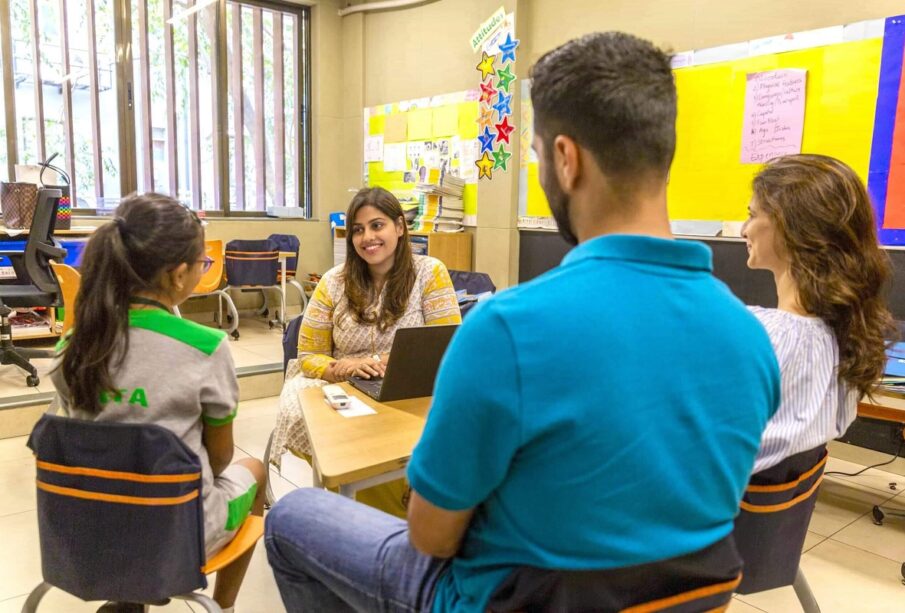
Parents also play a valuable role in supporting language development. When schools and families work together, children receive consistent encouragement to read, converse, and explore new forms of communication. This collaborative approach creates a strong foundation for continuous growth and learning.
In conclusion, International schools in Mumbai play a significant role in supporting language development through innovative teaching methods, multilingual exposure, interactive learning experiences, and diverse cultural environments. By helping students strengthen their communication skills and build confidence, International schools in Mumbai prepare them for academic achievement and future success in an increasingly connected world.